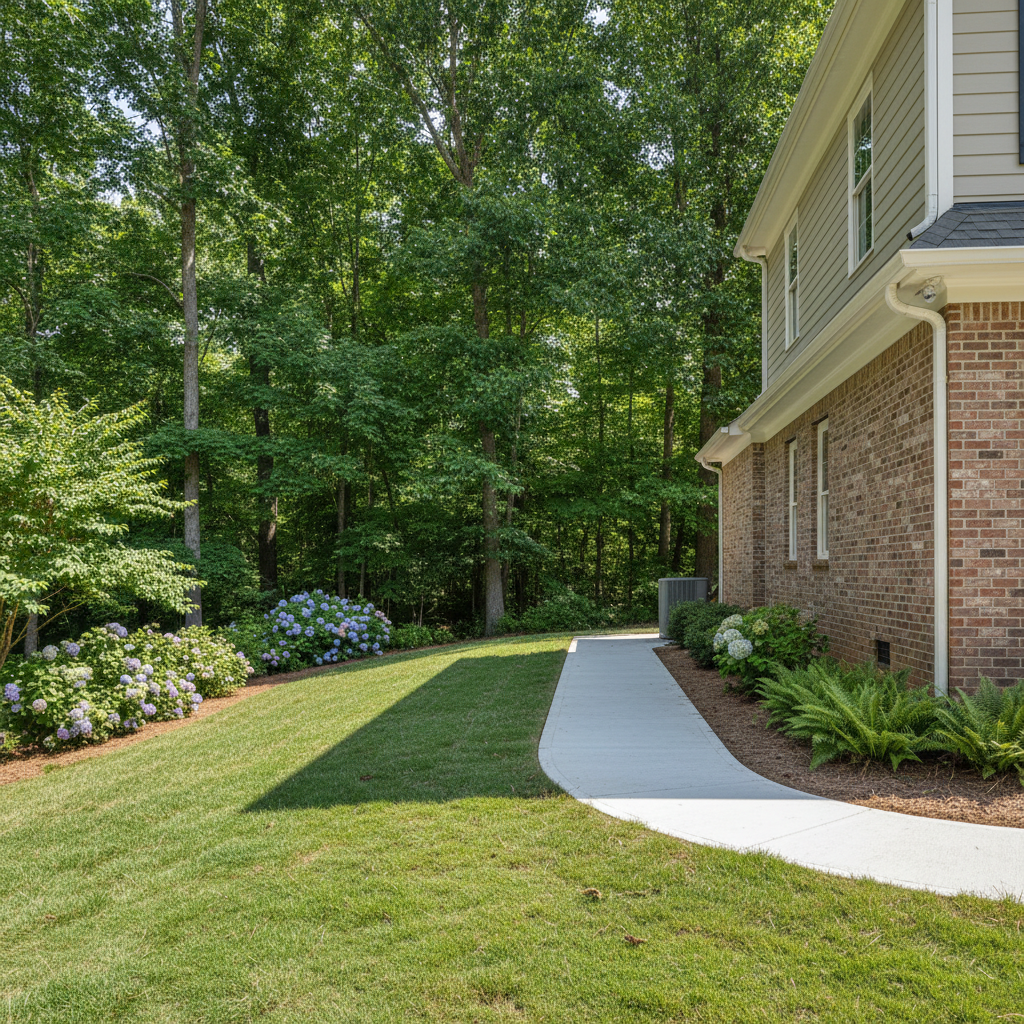
Ever notice how heavy that summer humidity feels here in Peachtree Corners, GA? Between our sudden afternoon thunderstorms rolling off the Chattahoochee and the sticky red clay holding onto moisture around our foundations, local homes take a real beating. If you have recently dealt with a leak or a flooded crawlspace, you already know the stress it causes. But getting things dried out is only half the battle. Keeping that Water Damage Restoration from coming back takes a bit of ongoing attention.
What Regular Maintenance Actually Looks Like
You do not need to spend every weekend checking your pipes, but you do need a routine. Shield Restoration tells property owners around Spalding Drive and Peachtree Corners Circle to check their water heaters and supply lines every couple of months. Georgia's red clay shifts quite a bit when we transition from dry summer heat to soaking winter rains, and that movement puts stress on your home plumbing. Take a flashlight into the crawlspace twice a year. Look for puddling, damp insulation, or musty smells that tell you your vapor barrier has given up.
- Test your sump pump before spring storm season hits hard.
- Clean out your gutters so overflowing rainwater does not pool against your foundation.
- Check under every sink for slow drips that rot out cabinet bases.
Warning Signs You Should Not Ignore
Water rarely announces itself with a gushing pipe right away. Usually, Water Damage Restoration issues whisper first. Peeling paint on a baseboard, a slight yellow ring on the drywall, or a musty odor in the hallway closet are your early clues. If your hardwood floors start cupping or feeling bouncy near an exterior wall, do not just write it down to old age. That is moisture trapped underneath, and it is inviting mold to set up shop within 48 hours.
How to Extend the Life of Repairs
Once you have had professionals out to fix a leak or handle a dry-out, protecting that investment is all about controlling the climate inside your house. Run your HVAC fan on circulate during peak humidity months to keep air moving across exterior walls. If your crawlspace is vented, consider whether a closed encapsulation system makes more sense for our climate. Keeping humidity levels below 50 percent stops secondary Water Damage Restoration issues dead in its tracks.
When to Call a Professional
Some things you can handle with a towel and a fan, but others demand heavier gear. If water has wicked up more than a couple of inches into your drywall, or if you spot any signs of dark mold growth behind cabinets, it is time to call in backup. Shield Restoration sees what happens when a quick DIY fix misses moisture hiding inside subfloors or behind brick veneer. Do not wait until a small drip turns into a major structural headache. Reach out early, get it dried right, and protect your home for the long haul.